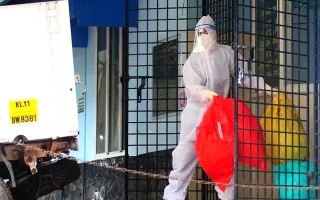
It all began in a bustling city, where the world's paths converge. The whispers of an unseen enemy spread like wildfire, as the first cases of a mysterious respiratory illness emerged. The year was 2019, and the virus, later to be named COVID-19, had taken its first tentative steps into the global community.
By December, the World Health Organization (WHO) had been alerted, and the race to understand this new virus had commenced. Countries around the world braced for the unforeseen, as cases began to multiply, and the virus took on a life of its own. It was a time of uncertainty, fear, and a collective hope that the tide could be turned.
As the virus spread, governments and health organizations worldwide scrambled to contain the outbreak. Lockdowns, travel bans, and social distancing became the new norm. The journey was fraught with challenges, from misinformation to the struggle to provide adequate medical supplies.
The first wave of the pandemic hit with a ferocity that few could have predicted. Hospitals were overwhelmed, healthcare workers became heroes, and the world watched in horror as lives were lost. Yet, amidst the chaos, there were glimmers of hope. Vaccines were in development, and scientists worked tirelessly to uncover the secrets of this virus.
As the world began to emerge from the first wave, a second wave of infections loomed. This time, it was not just the virus that returned, but also the lessons learned from the past. Countries implemented better strategies, and the global community came together in unprecedented ways to combat the resurgence.
While the virus attacked the body, it also cast a shadow over the minds of billions. Anxiety, depression, and isolation became widespread, as people navigated a world that felt unfamiliar and unsafe. The pandemic of the mind was just as real as the virus itself, and it required a different kind of treatment.
Then, a glimmer of light appeared on the horizon. Vaccines were developed, and the world held its breath. The vaccination effort became a race against time, as countries around the globe worked to distribute doses and immunize their populations. It was a testament to human ingenuity and the power of science.
As the vaccine rollout gained momentum, hope began to take root. The endgame was in sight, and the world began to envision a new normal. It was a time of reflection, as people looked back on the past year and learned the value of life, community, and resilience. The pandemic had changed us, but it had also brought us closer together.
Noise: The distant hum of city life, the rustle of leaves, and the soft whisper of the wind remind us that life goes on, even amidst chaos.
The COVID-19 pandemic will forever be etched in history as a period of transformation. It has reshaped the way we live, work, and interact with one another. The legacy of this time will be a complex tapestry of lessons learned, lives lost, and the indomitable spirit of humanity.
The pandemic has taken a toll on our collective emotional well-being. It has exposed the fragility of life, the importance of connection, and the strength of the human spirit. In the face of adversity, we have found resilience, compassion, and the courage to face the unknown.
As we look to the future, let us carry with us the lessons of the past. Let us cherish the moments of connection, and let us never underestimate the power of hope.